Sun-Safe Travels: The 4 Best UPF Fabrics for Your Next Adventure
- Nicole Travel
- Apr 27
- 4 min read
Updated: May 12

When you're out exploring for weeks at a time, the sun is both your best friend and your biggest challenge. Relying on sunscreen alone can be messy, easy to forget, and often washes off. High-quality UPF (Ultraviolet Protection Factor) clothing is the ultimate travel hack—it provides a permanent physical barrier that doesn't need to be reapplied.
But not all fabrics are created equal. To help you pack smarter, here is the detailed breakdown of the four best fabrics to keep you protected, cool, and comfortable on the trail.
1. Performance Polyester Blend
The "Set It and Forget It" Protector
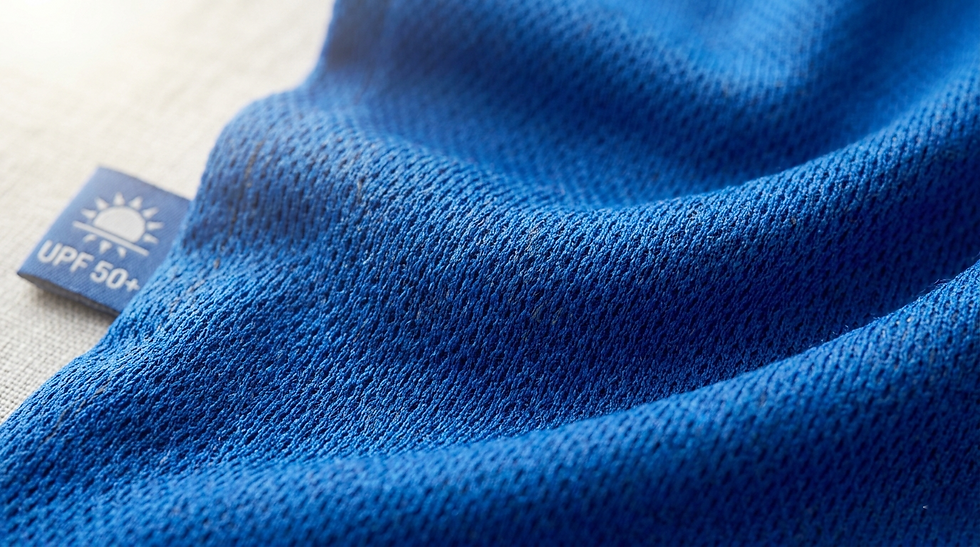
Polyester is the industry leader for sun protection. Because synthetic fibers can be engineered and woven extremely tightly, they naturally block a significant amount of UV radiation. Most high-end outdoor brands use a tech-weave polyester to achieve a UPF 50+ rating, blocking about 98% of UV rays.
Why it works: It is a synthetic powerhouse. The fibers are often treated or woven specifically to reflect and absorb UV rays.
Travel Perk: Incredibly durable and quick-drying—perfect for "sink-washing" at a hotel and having it dry by morning. It holds its shape perfectly even after being stuffed in a suitcase.
What to look for: Seek out technical blends with a touch of spandex. This provides stretch, which prevents the weave from "opening up" and letting rays through when you move.
Pros: Maximum UPF ratings, moisture-wicking, and extreme durability.
Cons: Tends to hold onto body odors; low-quality blends can feel "plastic" or trap heat if they aren't specifically "performance" grade.
Best For: Water sports, humid climates, and high-intensity activities.

2. Lightweight Ripstop Nylon
The Rugged Navigator
If your travels involve pushing through brush, carrying heavy backpacks, or coastal trekking, nylon is your best bet. It is exceptionally strong for its weight and naturally provides better wind protection than other knits.
Why it works: Its synthetic nature allows for a very dense weave. The "ripstop" version features a reinforced grid pattern that prevents small snags from becoming large tears.
Travel Perk: Featherweight and abrasion-resistant. It feels "cool to the touch," making it a favorite for hot-weather trekking.
What to look for: Look for "ripstop" weaves for extra durability and silver-ion treatments to help with odor control during multi-day treks.
Pros: The most rugged choice; lightweight and wind-resistant.
Cons: Very little dynamic stretch (can feel restrictive); poor odor resistance compared to natural fibers.
Best For: Hiking, backpacking, and rugged outdoor exploration.

3. Ultra-fine Merino Wool
The Natural Miracle Fiber
The ultimate choice for the "slow traveler." Unlike traditional scratchy wool, ultra-fine merino (15.5–18.5 micron) is incredibly soft and hypoallergenic. It's a natural UV absorber, meaning the protection is built into the fiber itself.
Why it works: Wool fibers naturally absorb UV radiation before it reaches your skin. It maintains this protection even when wet or sweaty.
Travel Perk: Exceptional odor resistance. You can wear it for several days straight without a wash, which is a game-changer for minimalist packing.
What to look for: Ensure it is "lightweight" or "ultralight" (around 150gsm). This keeps it breathable for summer while providing a natural, chemical-free sun barrier.
Pros: Dynamic thermoregulation (keeps you cool in heat, warm in chill) and unmatched softness. Perfect for high-UV spring days.
Cons: Higher price point; more delicate and prone to "pilling" or small holes over time.
Best For: Multi-day trips, changing climates, and city-to-trail transitions.

4. Hemp
The Sustainable Heavyweight
Hemp is the rising star of eco-conscious travel gear. It is one of the most durable natural fibers on earth and holds its UPF rating exceptionally well over time, even after years of sun exposure.
Why it works: Hemp fibers are naturally dense and opaque, making them a powerhouse at blocking UV radiation without chemical finishes.
Travel Perk: Naturally antimicrobial and highly breathable. Like fine linen, it allows for excellent airflow, but it won’t wear out after a single season of rugged use.
What to look for: Pure hemp can be stiff. Look for Hemp/Organic Cotton or Hemp/Recycled Polyester blends for a "broken-in" feel that is soft against the skin right away.
Pros: Gets softer with every wash; highly sustainable; extremely long-lasting.
Cons: Takes much longer to dry than synthetics; prone to wrinkling.
Best For: Hot, dry climates and travelers who want gear that lasts a lifetime.
At a Glance: Comparison Table
Metric | Polyester | Nylon | Merino Wool | Hemp |
Durability | ⭐⭐⭐⭐ | ⭐⭐⭐⭐⭐ | ⭐⭐ | ⭐⭐⭐⭐⭐ |
Odor Resistance | ⭐ | ⭐ | ⭐⭐⭐⭐⭐ | ⭐⭐⭐⭐ |
Drying Time | ⭐⭐⭐⭐⭐ | ⭐⭐⭐⭐ | ⭐⭐⭐ | ⭐⭐ |
Price | $$$ | $$$ | $$$$ | $$$$ |
Did You Know? Two Factors That Change Everything
Beyond the material, these two factors drastically change your actual protection:
1. The Color Rule: Darker is Often Safer
It’s a travel myth that white clothing is best for the sun. Darker or more vibrant colors (navy, dark green, or bright red) actually absorb more UV rays before they reach your skin. A white cotton tee might only have a UPF of 5, while the same shirt in dark blue could double that protection.
2. The Weight Guide: GSM Matters
Fabric weight is measured in GSM (grams per square meter).
Lightweight (100–150 GSM): Best for "Sun Hoodies." They feel like a second skin but rely on an extremely tight weave for protection.
Midweight (150–200 GSM): Common for Merino and Hemp blends. The extra density provides a more reliable physical barrier but may feel warmer in stagnant air.

Pro-Tip: The "Light Test"
If you’re shopping and a garment doesn’t have an official UPF label, hold the fabric up to a bright light. If you can clearly see light passing through the fibers, the UV rays can reach your skin, too. A truly protective travel fabric should be opaque.
Which fabric is your go-to for a long day in the sun? Let me know in the comments!


Comments