The UPF Scarf: Your Most Versatile Defense Against UV Rays
- Nicole Travel
- Apr 29
- 3 min read
Updated: May 11

When building a sun-safe wardrobe, we often prioritize high-tech hoodies or wide-brimmed hats. However, the humble UPF scarf is arguably the most hardworking multi-tool in a traveler’s kit. Unlike a standard cotton wrap, a scarf engineered with an Ultraviolet Protection Factor (UPF) rating provides a permanent physical barrier that doesn't wash off or require reapplication like sunscreen.
Here is how to utilize a UPF scarf to protect the body's most vulnerable "burn zones."
1. The Neck Protector: Technical Defense
The skin on the neck and décolletage is among the thinnest on the body and often the most neglected. While many use a tight "buff," a scarf offers a looser, more breathable fit for high heat.
The Technique: Use a "Double Loop" or "Parisian Knot" to fill the gap left by crew-neck or V-neck shirts. Drape the scarf around the neck, cross the ends in front, and toss them over opposite shoulders.
Why it Works: This creates layered depth. Because the fabric isn't pressed tight against your skin, it creates a small "buffer zone" of air that acts as an insulator, preventing absorbed heat from transferring directly to your skin. These loose folds also create structural shadows, ensuring your neck remains in shade even as you move.

2. The "Commuter’s Arm" Fix
Long-distance driving is a hidden UV trap because standard side windows block most UVB but allow significant UVA (aging/deep tissue damage rays) to pass through.
The Problem: You may notice a localized warmth or "prickle" on your window-side arm during long commutes.
The Fix: A UPF scarf can be casually draped over your arm or tucked into the window seal. This provides an immediate physical block that stops the "greenhouse effect" inside the car.
3. Closing the "Beach Gap" with a UPF Scarf
Even with a high-quality cover-up, the lower legs are often left vulnerable while sitting or reclining. (Read: Best UPF Beach Gear)
The Technique: Use the scarf as a sarong or lap cover to protect the tops of thighs and the backs of knees.
The Science of Cool: It seems counterintuitive to add a layer in the heat, but technical UPF fabric blocks infrared radiation (the heat you feel) along with UV. By keeping sun energy off the skin and allowing air to circulate under the loose drape, your legs stay cooler than they would in direct exposure.

4. Seasonality: The "Spring Paradox"
A major advantage of the scarf is matching the fabric weight to the specific seasonal UV threat.
Summer Ultra-Light: A specialized UPF fabric—typically a "featherweight" synthetic or silk-blend—provides critical protection without adding bulk or sweat. Unlike standard thin scarves, these maintain their rating even when damp or stretched.
Spring/Fall High-UV: During cooler fall and spring months, the air may feel crisp, but the UV index remains high. A heavier-weight scarf, such as UPF-rated merino wool, keeps you warm while handling the sharp, direct rays of a clear-sky afternoon.

Choosing the Right Fabric
Look for these specifications to ensure your gear is doing the heavy lifting:
Fabric Type | Benefits | Best Use |
Polyester/Nylon | Naturally high UV resistance; moisture-wicking. | Hiking and high-activity travel. |
Merino Wool | Breathable and temperature-regulating. | All-season wear; high-UV spring days. |
Hemp | Naturally high UV resistance due to fiber density; durable and breathable. | Rugged lifestyle wear; humid high-UV days. |
Zinc-Infused | Physical UV block (ZnO) embedded in the fiber; soothing for sensitive skin. | Maximum protection for sensitive skin or heat rash. |
Final Purchase Checklist
UPF 50+ Rating: Ensures it blocks at least 98% of UV radiation.
The "Shadow Test": Hold the fabric to the light; if you see clear shapes through the weave, UV rays can likely pass through as well.
Dimensions: Choose "oversized" (at least 70" x 25") to ensure enough fabric for full leg and head coverage.
Color: Darker or vibrant colors generally absorb more UV, though technical treatments can make light colors equally effective.
Explore our top-rated UPF scarf picks on Amazon to find the right technical fit for your next trip.
The "Daily Driver" | The "Airport Specialist" | The "Luxury Tech" |
 |  | 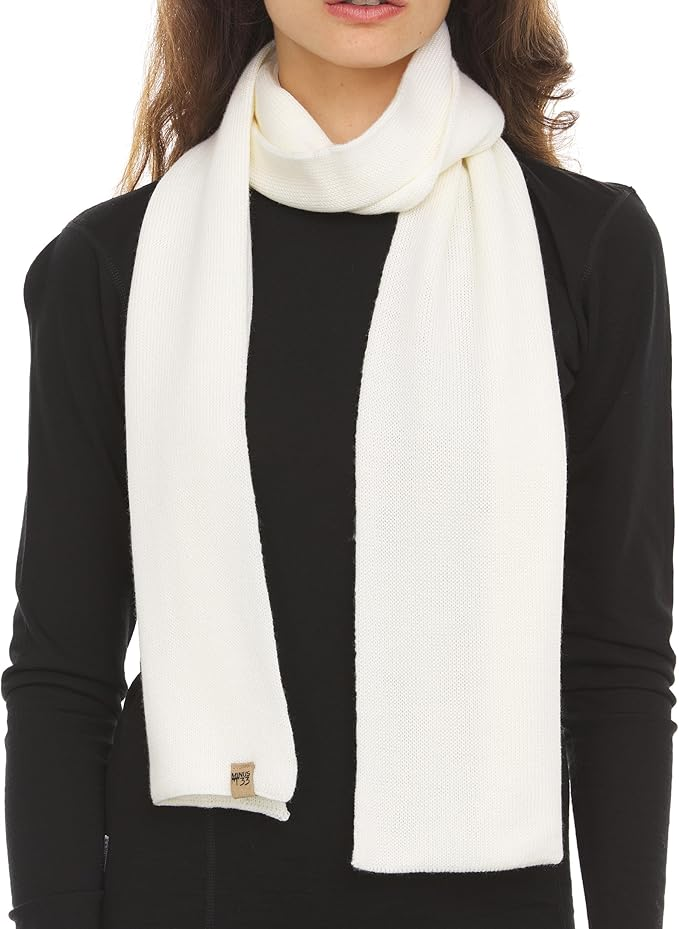 |
Material: Polyester Blend | Material: Tencel (Oversize) | Material: Merino Wool |
Best For: Commuting | Best For: Travel Days | Best For: Cool Sunny Days |
I’ve spent over 20 years researching and wearing UPF apparel in the real world. I only recommend gear that meets my personal standards for sun safety and style. When you shop through these links, I may earn a small commission at no extra cost to you. This supports the 50 UPF Guide and my mission to find the best technical gear on the market.


Comments