UPF vs. SPF: Why Your Sun Gear is Meaningless Without the Numbers
- Nicole Travel
- Apr 29
- 3 min read
Updated: May 12

UPF vs SPF: To understand the difference, think of them as two different types of shields: one made of fabric and one made of liquid. While they both fight the same enemy (UV radiation), they measure protection in slightly different ways.
The Breakdown: UPF vs. SPF
1. UPF (Ultraviolet Protection Factor)
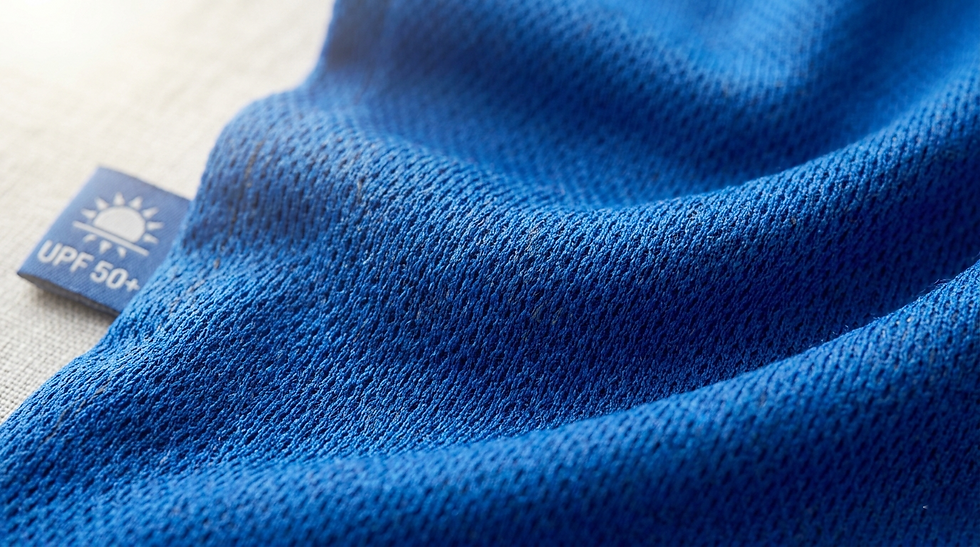
UPF is the standard used for fabrics and clothing. It measures how much of both UVA and UVB radiation can penetrate a piece of material and reach your skin.
How it works: A UPF 50 rating means the fabric allows only 1/50th (or 2%) of the sun’s UV rays to pass through.
The Coverage: UPF is comprehensive because it accounts for both types of harmful rays automatically.
2. SPF (Sun Protection Factor)
SPF is the standard used for sunscreen and topical products. It primarily measures how long the product will protect you from UVB rays, which are the ones that cause surface sunburns.
How it works: If your skin normally burns in 10 minutes, an SPF 30 theoretically allows you to stay in the sun 30 times longer (300 minutes) without burning.
The UVA Gap: Unless a sunscreen is labeled "Broad Spectrum," it may not be protecting you from UVA rays (the ones responsible for aging and deeper cellular damage).

Comparing the Protection
Feature | UPF (Clothing) | SPF (Sunscreen) |
Protects Against | UVA & UVB | Primarily UVB (unless Broad Spectrum) |
Application | Put it on once; no mess | Must be reapplied every 2 hours |
Reliability | Consistent (doesn't wash off/sweat off) | Variable (affected by water, sweat, and amount used) |
Measurement | Fraction of light passing through | Multiplier of time to burn |
The Performance Gap: It’s What "Leaks" Through That Matters
When comparing UPF ratings, don't look at how much radiation is blocked—look at how much is hitting your skin. A small change in the rating actually represents a massive difference in your total UV exposure. (Read: Sun-Safe Travel Fabrics)
UPF Rating | UV Rays Blocked | UV Rays Allowed Through | Protection Level |
UPF 15 | 93.3% | 1 in 15 rays (~7%) | Good |
UPF 30 | 96.7% | 1 in 30 rays (~3%) | Very Good |
UPF 50+ | 98% + | 1 in 50 rays (2% or less) | Excellent |
The "Double the Damage" Rule:
Compare UPF 15 to UPF 30. UPF 15 lets in 7% of UV rays while UPF 30 lets in 3% (more than double the exposure). Even though both numbers sound "high," the UPF 15 garment is actually allowing twice as much UV radiation to reach your skin.
The "False Sense of Security" Trap
This is where the numbers become your safety net. Many people assume that any dark or thick clothing provides total protection. However, a standard white cotton T-shirt often has a UPF of only 5 to 7—and even less if it gets wet.
This allows roughly 15–20% of UV radiation to pass through directly to your skin. If you're spending hours outdoors, that "protection" is effectively negligible. Without a certified rating, you might be wearing the equivalent of a "leaky" fabric that lets in a staggering amount of the sun's rays while you think you’re protected.

Why Protection Means Little Without the Numbers
Walking into the sun with "UV-protective" gear that lacks a specific rating is like driving a car with "brakes" but no safety testing—you have no idea if they’ll actually stop you.
Technical sun gear is engineered specifically to disrupt the transmission of light through specialized weave density and fiber types. If it isn't measured and certified, you're essentially guessing your level of risk.
In short: If it isn’t measured, it isn’t managed.
The Final Verdict: Knowledge is Your Best Defense
Understanding UPF and SPF isn't just about avoiding a temporary sting; it’s about long-term skin health. While the sun is a constant, your protection shouldn't be a variable. By choosing rated gear and broad-spectrum liquids, you take the guesswork out of the outdoors. Remember: if your protection isn't measured, your skin isn't managed.
Your 3-Step Sun Strategy
Check the Tag: Only buy outdoor gear with a certified UPF 50+ rating. If it doesn’t have a number, it’s just a shirt.
Check the Label: Ensure your sunscreen says "Broad Spectrum" to bridge the UVA gap that standard SPF misses.
The 2-Hour Rule: Your UPF shirt works as long as you're wearing it, but your SPF is a ticking clock. Set a timer to reapply every two hours.
I’ve spent over 20 years researching and wearing UPF apparel in the real world. I only recommend gear that meets my personal standards for sun safety and style. When you shop through these links, I may earn a small commission at no extra cost to you. This supports the 50 UPF Guide and my mission to find the best technical gear on the market.


Comments